

World Health Organization Tokyo Office – Universal Health Coverage (UHC) Knowledge Hub
What is WHO ?
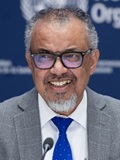
Dr Tedros Adhanom Ghebreyesus
Dedicated to the wellbeing of all people and guided by science, the World Health Organization (WHO) is the directing and coordinating authority for health within the United Nations system. Founded in 1948, WHO is responsible for providing leadership on global health matters, shaping the health research agenda, setting norms and standards, articulating evidence-based policy options, providing technical support to countries and monitoring and assessing health trends.
WHO connects countries, partners and people to promote health, keep the world safe and serve the vulnerable – so everyone, everywhere can attain the highest level of health. WHO leads global efforts to expand universal health coverage so that all people can access the quality health services they need. WHO directs and coordinates the world’s response to health emergencies and promotes healthier lives. WHO’s Triple Billion targets outline an ambitious plan for the world to achieve good health for all using science-based policies and programmes.
Related link: More about WHO and our work
Message from WHO Tokyo Office
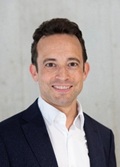
Dr Matthias Helble
Established in July 2026 as part of WHO Headquarters, the WHO Tokyo Office serves as a center of excellence on health financing for Universal Health Coverage (UHC). The Office supports countries by generating evidence, developing normative guidance and strengthening capacity for health financing. It also co-hosts the UHC Knowledge Hub with the World Bank.
UHC is vital for improving health, advancing human capital and supporting economic growth. Through the political declarations adopted at the UN General Assembly High-Level Meetings on UHC in 2019 and 2023, Member States reaffirmed their commitment to accelerate progress towards UHC and achieve the health-related Sustainable Development Goal of reaching an additional 1 billion people with essential health services by 2030.
Despite progress, major challenges remain. According to the UHC Global Monitoring Report 2025, an estimated 4.6 billion people still lack full access to essential health services, while around 2.1 billion experience financial hardship due to out-of-pocket health expenses. Many countries continue to face constraints in mobilizing domestic resources for health, alongside increasing debt burdens, governance challenges and fragmented external financing. To help address these challenges the Government of Japan, WHO, and the World Bank launched the UHC Knowledge Hub in December 2025 in support of the implementation of World Health Assembly Resolution WHA78.12 on strengthening health financing globally. The Hub provides tailored technical support and practical guidance to senior officials in ministries of health and ministries of finance in low- and middle-income countries to help strengthen health financing systems and accelerate progress towards UHC.
Japan plays a pivotal role in advancing UHC globally. Since establishing its national health insurance system in 1961, Japan has demonstrated that investing in health contributes to improved population health and sustainable economic development. On the global stage, the Government of Japan has consistently championed UHC through the G7, G20, and United Nations, helping to keep UHC high on the global policy agenda. The WHO Tokyo Office builds on this strong foundation by working closely with countries and partners to strengthen health financing policies and support global progress toward UHC.
Contact
World Health Organization Tokyo Office – Universal Health Coverage (UHC) Knowledge Hub
Office 903, Fukoku Seimei Building, 2-2-2 Uchisaiwai-cho, Chiyoda-ku, Tokyo 100-0011, Japan
https://www.who.int/initiatives/universal-health-coverage-knowledge-hub
Email: uhctokyohub@who.int